

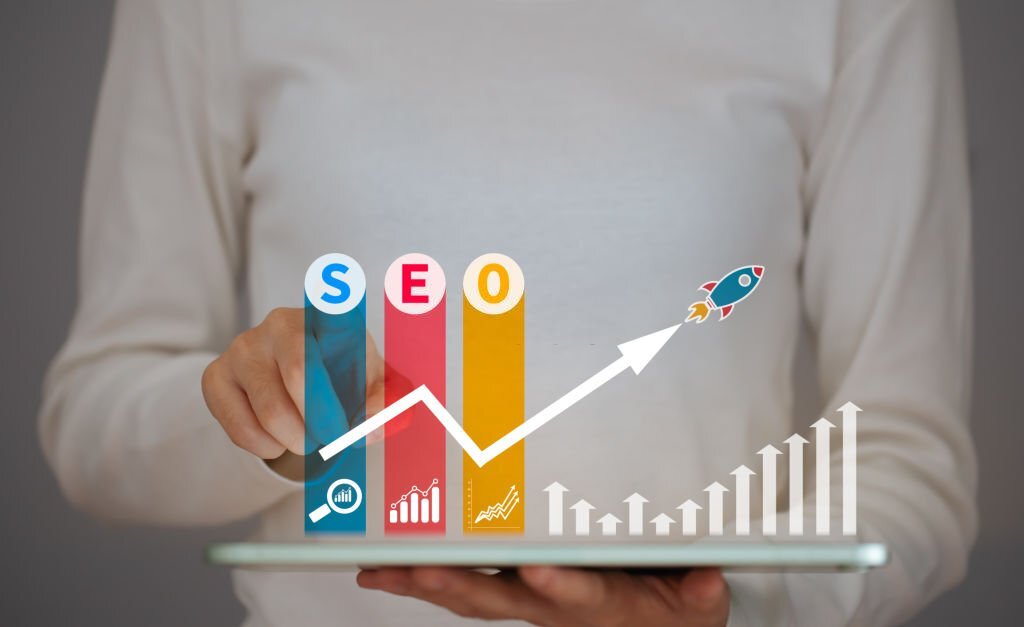
A complete beginner-to-advanced guide to understanding Search Engine Optimization — and how it can transform your business.
Imagine opening a beautiful shop in the middle of a vast desert — stunning design, top-quality products, and amazing prices. But nobody walks past, nobody finds you, and your sales are zero. That’s what having a website without SEO feels like in today’s digital world.
Every day, more than 8.5 billion searches are performed on Google alone. Your potential customers are out there, searching for exactly what you offer. SEO is the bridge that connects your business to those customers — for free, consistently, and at scale.
In this guide, you’ll learn exactly what SEO is, how it works, why it matters more than ever in 2025, and what steps to take to start winning online.
1. What Exactly is SEO?
SEO stands for Search Engine Optimization. It is the practice of improving your website so that it appears higher in search engine results — like Google, Bing, or Yahoo — when someone searches for topics related to your business.
When a user types a query like “best digital marketing agency near me” or “how to fix a leaking tap,” search engines scan billions of web pages and rank them based on relevance, authority, and quality. SEO is the art and science of making your pages rank as high as possible in those results.
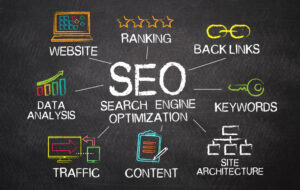
SEO is divided into three main pillars:
- On-Page SEO — Optimizing content, headings, keywords, and HTML elements on your website pages.
- Off-Page SEO — Building your site’s authority through backlinks, mentions, and social signals from other reputable websites.
- Technical SEO — Improving site speed, mobile-friendliness, crawlability, and the overall health of your website’s code and structure.

2. How Do Search Engines Work?
To understand SEO, you need a basic understanding of how search engines like Google operate. The process has three stages:
Stage 1: Crawling
Google uses automated bots called “spiders” or “crawlers” to browse the internet. They follow links from page to page, discovering new and updated content across the web.
Stage 2: Indexing
After crawling, Google analyzes and stores the information from pages in its massive index — a digital library of trillions of web pages. Only indexed pages can appear in search results.
Stage 3: Ranking
When someone searches, Google’s algorithm evaluates hundreds of ranking factors — including keyword relevance, content quality, website authority, page speed, and user experience — to decide which pages to show and in what order. The goal of SEO is to optimize these factors.
3. Why SEO Matters More Than Ever in 2025
Some people still ask: “Is SEO still relevant in 2025?” The answer is a resounding yes — in fact, SEO has never been more important. Here’s why:
🔍 Organic search drives the most traffic
More than 53% of all website traffic comes from organic search. No paid ads, no social media posts — just people finding your site naturally through Google. SEO gives you a steady stream of free, targeted visitors.
💸 It delivers the best ROI
Unlike paid advertising, which stops the moment you stop paying, SEO compounds over time. A well-optimized page can keep ranking and bringing in traffic for years with minimal additional investment.
🤖 AI is changing search — but SEO remains king
Google’s AI-powered search features like Search Generative Experience (SGE) are changing how results look, but they still pull from the best-optimized, most authoritative content. Strong SEO remains the foundation for visibility.
📱 Mobile-first world
With over 60% of searches happening on mobile devices, Google now primarily uses your mobile site for indexing and ranking. Technical SEO ensures you’re not leaving mobile users — and rankings — behind.
🏆 Trust and credibility
People trust Google. When your website ranks on the first page, users perceive your business as more credible and authoritative than competitors buried on page 2 or beyond.

4. Core Components of SEO Explained
🔑 Keyword Research
Keywords are the words and phrases people type into search engines. Keyword research is the process of finding the right terms to target — those with high search volume, relevant to your business, and realistic to rank for. Tools like Google Keyword Planner, Ahrefs, SEMrush, and Uber suggest help identify the best opportunities.
✍️ Content Creation & Optimization
Content is the backbone of SEO. Google rewards websites that publish high-quality, helpful, original content that genuinely answers users’ questions. This means writing detailed blog posts, service pages, FAQs, and guides — all optimized with the right keywords, headings, and structure.
🔗 Link Building (Backlinks)
When other reputable websites link to yours, it’s like a vote of confidence. Backlinks are one of Google’s strongest ranking factors. Earning quality backlinks through guest posts, digital PR, partnerships, and creating shareable resources is essential for domain authority.
⚙️ Technical SEO
This covers the behind-the-scenes work that helps search engines crawl and index your site properly. Key technical SEO factors include:
- Fast page loading speeds (under 3 seconds)
- Mobile-responsive design
- Secure HTTPS connection
- Clean, crawlable URL structures
- Structured data markup (Schema.org)
- XML sitemaps and robots.txt configuration
5. SEO vs. Paid Advertising — What’s the Difference?
A common question is: “Why bother with SEO when I can just run Google Ads?” Both have their place, but they serve very different purposes:
SEO (Organic)
Free traffic once established | Builds long-term authority | Takes 3–6 months to see results | Compounds over time
Paid Ads (PPC)
Immediate visibility | Costs money per click | Stops when budget runs out | No lasting equity
The smartest businesses use both: paid ads for immediate results and SEO for sustainable, long-term growth. But if you can only invest in one, SEO delivers far greater ROI over time.
6. Local SEO — Essential for Small Businesses
If you run a local business — a restaurant, salon, clinic, or retail store — Local SEO is your most powerful tool. It helps you appear in Google’s “Map Pack” (the three business listings shown above organic results with a map) when nearby customers search for services you offer.
Key Local SEO actions:
- Set up and fully optimize your Google Business Profile
- Get consistent NAP (Name, Address, Phone) across all directories
- Collect and respond to Google Reviews
- Create locally-focused content and landing pages
- Build citations in local directories like Yelp, Justdial, and industry-specific sites
7. Common SEO Mistakes to Avoid
Many businesses unknowingly sabotage their SEO efforts. Here are the most common mistakes and how to avoid them:
❌ Keyword Stuffing
Forcing keywords unnaturally into content hurts readability and can get you penalized by Google. Write for humans first, then optimize.
❌ Ignoring Mobile Users
A website that isn’t mobile-friendly will rank lower in 2025. Always test your site on mobile devices.
❌ Skipping Meta Descriptions
Meta descriptions don’t directly affect rankings, but they influence click-through rates — which do. Always write compelling, keyword-rich meta descriptions.
❌ Thin or Duplicate Content
Pages with very little content or content copied from elsewhere provide no value and can be penalized. Create original, in-depth content.
❌ Ignoring Page Speed
A slow website frustrates users and signals poor quality to Google. Optimize images, use caching, and invest in good hosting.
❌ Buying Spammy Backlinks
Low-quality, paid backlinks from irrelevant sites can result in Google penalties. Focus on earning genuine, high-quality links.
8. How to Get Started with SEO: A Step-by-Step Action Plan
You don’t need a massive budget to start with SEO. Here’s a practical roadmap:
- Set up Google Search Console and Google Analytics — these are free tools that give you essential data about your site’s performance.
- Conduct keyword research — identify 10–20 keywords your ideal customers are searching for.
- Audit your existing website — check for technical issues using free tools like Screaming Frog or Ahrefs Webmaster Tools.
- Optimize your top pages — update title tags, meta descriptions, headings, and content for your primary keywords.
- Create a content calendar — plan and publish high-quality blog posts targeting valuable keywords consistently.
- Build your first backlinks — reach out to local businesses, industry blogs, and directories for link opportunities.
- Monitor and improve — track your rankings monthly and continuously refine your strategy based on data.
9. Top Free SEO Tools to Use in 2025
🛠 Google Search Console
Monitor search performance, indexing status, and crawl errors directly from Google.
🛠 Google Analytics 4
Track website traffic, user behavior, and conversion goals.
🛠 Uber suggest
Keyword research, competitor analysis, and site audits — free tier available.
🛠 Ahrens Webmaster Tools
Free backlink and technical SEO analysis for your own website.
🛠 Yoast SEO (WordPress Plugin)
Optimize on-page SEO directly in your WordPress editor — great for beginners.
🛠 Page Speed Insights
Analyze your page loading speed and get specific improvement recommendations.
🛠 Answer the Public
Discover what questions people are asking about your topic online.
Final Thoughts: SEO is an Investment, Not an Expense
In 2025, having a website without SEO is like printing a brochure and leaving it in your desk drawer. The internet is competitive — millions of new pages are published daily. The businesses that will thrive are those that take SEO seriously today.
SEO is not a one-time task — it’s an ongoing strategy. But every effort compounds. Every optimized page, every quality backlink, every piece of helpful content makes your business more visible, more trustworthy, and more profitable.
Start today. Even small, consistent actions add up to massive results over time. Whether you’re a solopreneur, a small business owner, or a growing startup — SEO is one of the best investments you can make for your digital future.